
Magento
Our Magento experience allows us to choose the best combination of technology, platform and contributed modules to provide comprehensive e-commerce solutions that meet business requirements.
Read More
Web & Commerce
We are a Top Ecommerce Website Development Company in Toronto. We offer quality ecommerce solutions at best rates across Canada.

Continuum Digital is a Toronto-based eCommerce website development company specializing in the design and development of enterprise-level eCommerce solutions. We work with a variety of open-source platforms, licensed products, and custom technologies to deliver robust, scalable, and high-performing online stores. Leveraging open-source software allows us to provide cost-effective solutions while reducing time to market.
With over a decade of experience, we’ve proudly partnered with clients ranging from small businesses to large corporations. Whether you need an online store for retail or wholesale, our team delivers custom eCommerce solutions tailored to your unique business needs. At Continuum Digital, we combine technical expertise with user-centric design to help your eCommerce business thrive.
What We Do
Our Magento experience allows us to choose the best combination of technology, platform and contributed modules to provide comprehensive e-commerce solutions that meet business requirements.
Read More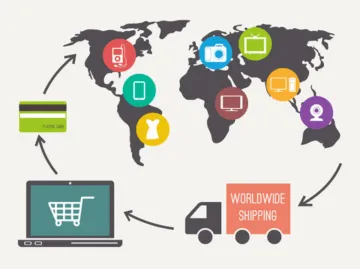
We offer a full suite of solutions to elevate your e-commerce presence, including bespoke store setup, tailored theme customization, and seamless migration from other platforms to ensure a smooth transition.
Read More
We have extensive experience in development of powerful WooCommerce stores. We have expertise in customizing WooCommerce with primary focus on eMarketing, brand management, cross-sell and up-sell of products.
Read MoreWe keep ourselves updated on the latest trends in technology space and e-Commerce which enables us to foster long term relations with our clients in e-Commerce domain.
We provide software design solutions that conform to the design requirements of the chosen e-commerce platform, ensuring high code quality, code re-usability and reduced re-work.
We have a rich set of tools at our disposal to reduce the timelines across phases from project initiation to culmination.
At Continuum Digital, we are committed to delivering exceptional eCommerce solutions that drive growth and success for our clients. Our team of experts is ready to collaborate with you to create a tailored strategy that meets your unique needs. Drop us an email at info@continuumdigital.ca to schedule a call with our eCommerce website development expert.
Share the business goal behind your ecommerce website development company enquiry, the people who will use the solution and the work they need to complete. Existing systems, content, data and access requirements help define what needs to be retained and where integration is necessary.
Useful preparation includes the current workflow, any known limitations, the proposed scope, budget considerations and the timeline you are working toward. We can use those inputs to identify dependencies, agree on responsibilities and outline a practical first phase.
The discussion should establish how the work will be reviewed, what acceptance criteria matter and how your team will manage the solution after delivery.
How we work
Understand business goals, users, requirements and the existing environment.
Agree on scope, priorities, responsibilities and acceptance criteria.
Plan the experience, solution structure and integration boundaries.
Implement the agreed work in reviewable increments.
Check functionality, accessibility, performance and relevant edge cases.
Plan the release and verify the delivered result.
Review maintenance needs and the next improvements with the team.
Explore your options
Common questions
eCommerce website design refers to the process of creating and developing online stores that facilitate the buying and selling of products or services. This involves crafting a user-friendly interface that enhances the shopping experience, ensuring that customers can easily navigate through product categories, view detailed descriptions, and make purchases with minimal hassle. Key elements of eCommerce website design include responsive layouts for mobile compatibility, intuitive navigation, effective search functionality, and secure payment gateways. A well-designed eCommerce site also incorporates engaging visuals, clear calls to action, and features like customer reviews and wish lists to boost conversion rates and enhance user satisfaction. Overall, the goal of eCommerce website design is to create an appealing and efficient platform that encourages sales and fosters customer loyalty.
There are several types of eCommerce, each catering to different business models and customer interactions. The most common type is Business-to-Consumer (B2C), where businesses sell products or services directly to individual consumers, like online retailers such as Amazon. Business-to-Business (B2B) involves businesses selling to other businesses, often characterized by bulk transactions and longer sales cycles, such as suppliers and manufacturers. Consumer-to-Consumer (C2C) is when consumers sell directly to each other, typically through platforms like eBay and Craigslist. In the Consumer-to-Business (C2B) model, individuals offer products or services to businesses, including freelancers or influencers. Other types include Business-to-Government (B2G) and Government-to-Business (G2B), which involve transactions between businesses and government entities. Business-to-Employee (B2E) focuses on businesses providing goods or services to their employees, often through special portals. Additionally, Mobile Commerce (mCommerce) refers specifically to transactions conducted via mobile devices, while Social Commerce integrates eCommerce with social media platforms, allowing users to purchase products directly through sites like Instagram and Facebook. Each type serves different market needs and has unique characteristics that influence how transactions are conducted.
An eCommerce store is an online platform where businesses sell products or services directly to consumers over the internet. It functions as a virtual storefront, allowing customers to browse, select, and purchase items from the comfort of their own homes. For example, Amazon is a well-known eCommerce store that offers a vast range of products, from books and electronics to clothing and groceries.
An eCommerce store works by providing a website or app where users can explore various categories of products. Customers can search for specific items, view product descriptions and images, and check prices. Once they find something they wish to purchase, they can add it to their shopping cart and proceed to checkout. During checkout, customers provide shipping information and payment details, which are processed through secure payment gateways. After the transaction is completed, the store confirms the order and prepares the items for shipping, notifying the customer about the status of their order. Overall, eCommerce stores streamline the buying process, making it convenient for consumers and efficient for businesses.
The network allows people to do business regardless of time and distance. All it needs is an expert who can help right positioning on the web with the right strategic plan. Call us at +1 (437) 887-1014 for a first free consultation for your eCommerce need.
eCommerce has several unique features that differentiate it from traditional retail and enhance the online shopping experience. One of the most significant features is the ability to operate 24/7, allowing customers to shop at any time without the constraints of physical store hours. Another key feature is the wide variety of products available, often surpassing what is found in brick-and-mortar stores, enabling consumers to easily compare items across different brands and prices.
Personalization is also a standout feature; eCommerce platforms use data analytics to tailor recommendations based on user behavior, preferences, and purchase history. Additionally, eCommerce offers convenient payment options, including credit cards, digital wallets, and buy-now-pay-later services, making transactions quick and secure.
The integration of reviews and ratings provides social proof, helping customers make informed decisions by reading feedback from other buyers. Furthermore, eCommerce stores often feature advanced search functionalities and filters, allowing users to find products more efficiently. Lastly, many eCommerce platforms include tools for tracking orders, managing returns, and accessing customer support, enhancing the overall user experience and building customer loyalty.
Popular platforms include WooCommerce, Shopify, and Magento. The best choice depends on your specific business needs, budget, and scalability requirements.
A custom design can enhance your brand identity and user experience, but it’s not always necessary. Template-based designs can also be effective for many businesses.
Improving your conversion rate can be achieved through strategies like optimizing product pages, simplifying the checkout process, using high-quality images, and implementing effective marketing tactics.
After launch, we provide a maintenance contract that includes ongoing support, updates, and troubleshooting to ensure your eCommerce site operates seamlessly.