Our Joomla Expertise
- Corporate websites, intranets and extranets
- e-Commerce portals and reservation systems
- Community based portals
- Flight booking system
- Event booking sites

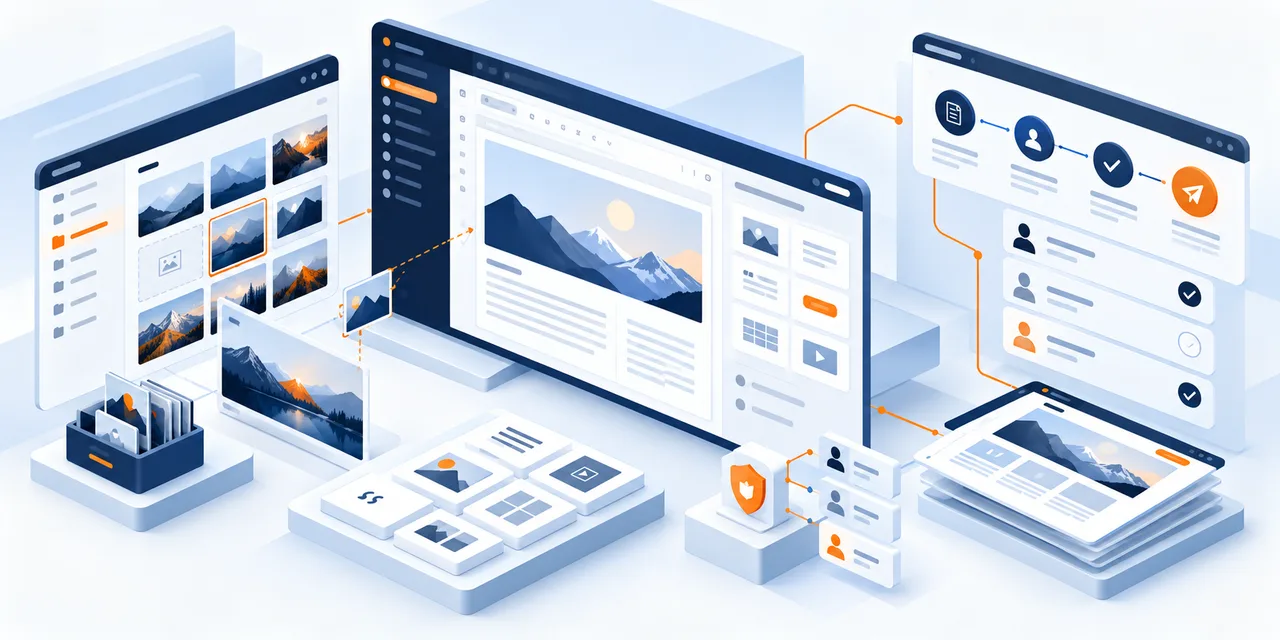
Joomla is one of the strong contenders in the open-source web content-management systems. Since Joomla is based on PHP and MySQL, powerful applications can be built on open platforms which can easily be shared.
It has strong community support of developers and business consultants because of which innovative solutions to real-world business problems are available as community contributions.
CMS development is a niche offering at Continuum Software Solutions and we do Joomla CMS development to make the best use of content management system features like SEO optimization, ease-of-use, content categorization using tagging and taxonomy, smart search, content versioning. Hence, it proves to be a cost effective solution for a large number of implementations. We have over 140+ person years of experience in Joomla CMS development.
Continuum Software Solutions is a leading provider of Joomla development services. We have rich experience in delivering applications with different scales of implementation using Joomla. Our team of application designers and developers deliver feature rich CMS driven applications that ensure compelling end-user experience. Our team of Joomla consultants and architects ensure secure, scalable solutions that perform well even with heavy traffic.
Start with the business problem you need to solve and the audience the work must serve. Describe the current situation, what is not working and the outcome that would make this engagement worthwhile. These details help distinguish essential requirements from improvements that can be considered later.
This page covers joomla development, including CONTINUUM IS PIONEERING IN JOOMLA DEVELOPMENT INCLUDING JOOMLA CMS THEME DESIGNING AND CUSTOMIZATIONS, Our areas of expertise over Joomla, Our Joomla Expertise, Salient features of our Joomla Projects, Our Joomla CMS implementation services. Share relevant existing materials, systems, content and brand guidelines so the discussion can account for what must be retained, reviewed or replaced. Explain any dependencies on another supplier, platform or internal team.
Identify the deliverables you need, the people responsible for review and any delivery constraints. A practical first phase should have a defined scope and clear acceptance criteria. Budget considerations, access arrangements and the availability of source materials can affect the order in which the work should proceed.
Discuss how your team will use and maintain the result after delivery. Agree on documentation, ownership and any support needs before work begins. Use the enquiry to outline your priorities and questions; the final scope and any commitments should be confirmed separately rather than assumed from this page.
How we work
Understand business goals, users, requirements and the existing environment.
Agree on scope, priorities, responsibilities and acceptance criteria.
Plan the experience, solution structure and integration boundaries.
Implement the agreed work in reviewable increments.
Check functionality, accessibility, performance and relevant edge cases.
Plan the release and verify the delivered result.
Review maintenance needs and the next improvements with the team.
Explore your options
Before you begin
Share your business goal, intended users, existing systems, required scope and delivery constraints. These inputs help define dependencies and suitable next steps.
The scope depends on requirements, current assets, integrations and review needs. Agree on deliverables, responsibilities and acceptance criteria before implementation begins.
Include details of the systems, data and content that need to be retained. Compatibility and migration requirements should be assessed before a solution is selected.